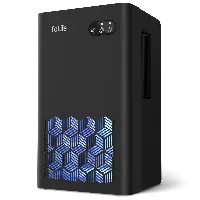
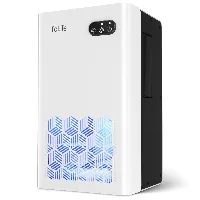
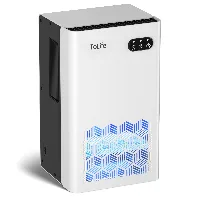
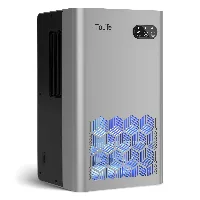
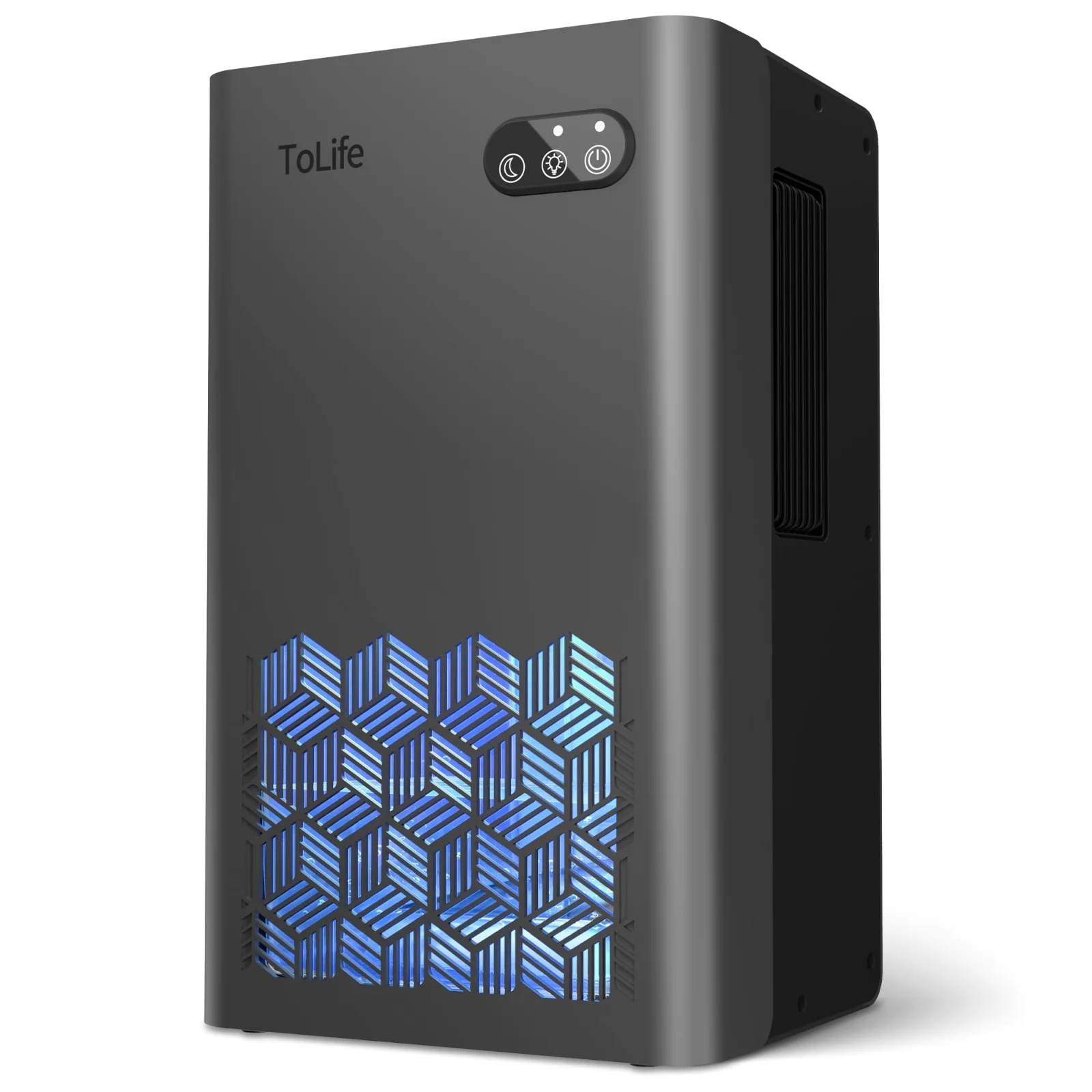
TZ-C2 Dehumidifier, Grey
- 95 oz tank, auto shut-off
- Rooms up to 1,000 sq ft
- Night mode under 30 dB
4.1 · 6,735 ratings
$59.96
ToLife · quiet air machines
Your bathroom mirror keeps a diary of every shower, and your basement smells of rain three days after the sky cleared. The ToLife range answers with one box per room: thermoelectric dehumidifiers that condense the damp into a 95-ounce tank, and H13 purifiers that take the dust, the dander and the smoke. You plug it in, empty the tank when the machine stops itself, and between those two moments the room is not your job.
The catalogue · ten machines
Ten machines, one page. Every card carries the figures that decide it - ounces, square feet, decibels, filter hours - and buys directly, so you can order the moment your room recognises itself.
Start from your room
You know the room before you know the model, and the split is simple: damp rooms want a tank, dusty rooms want a filter stack, tight spaces want the nine-inch shell. Find your room below; the link lands on the machine drawn for it.
Dehumidifiers · the TZ-C2 line
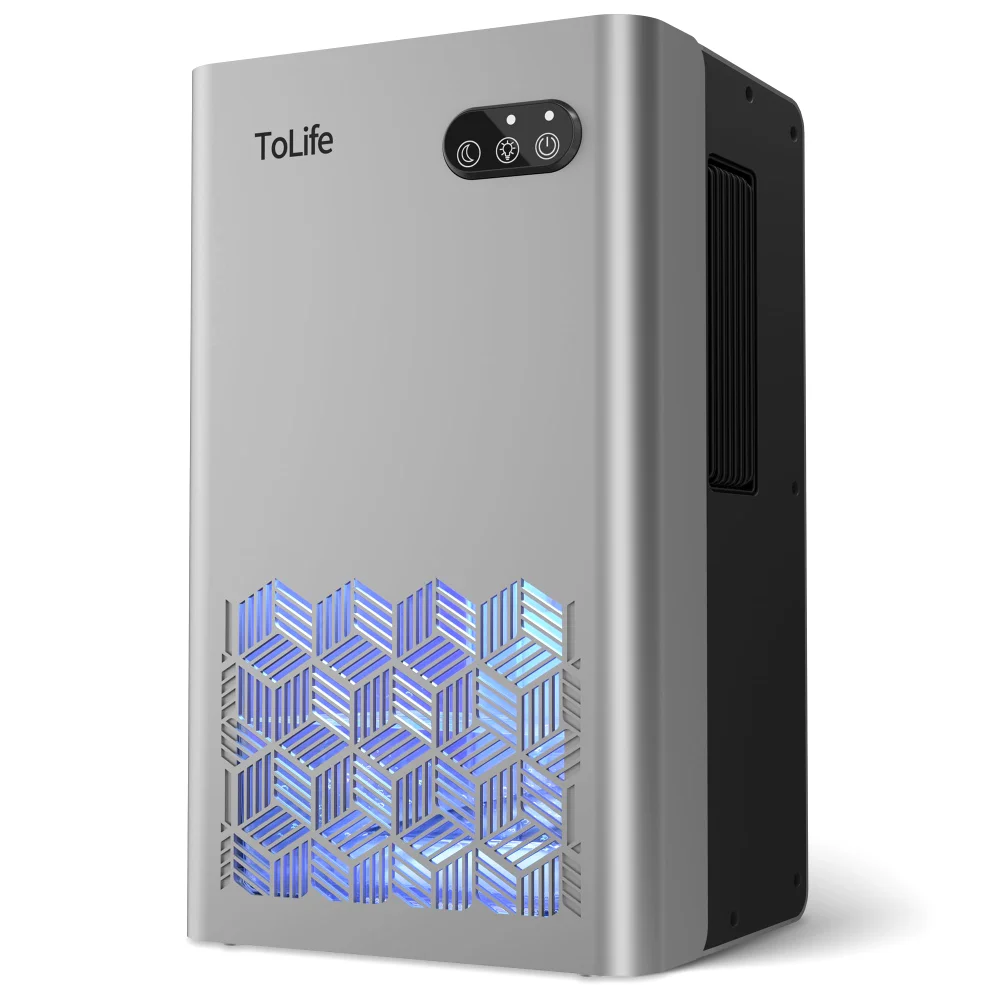
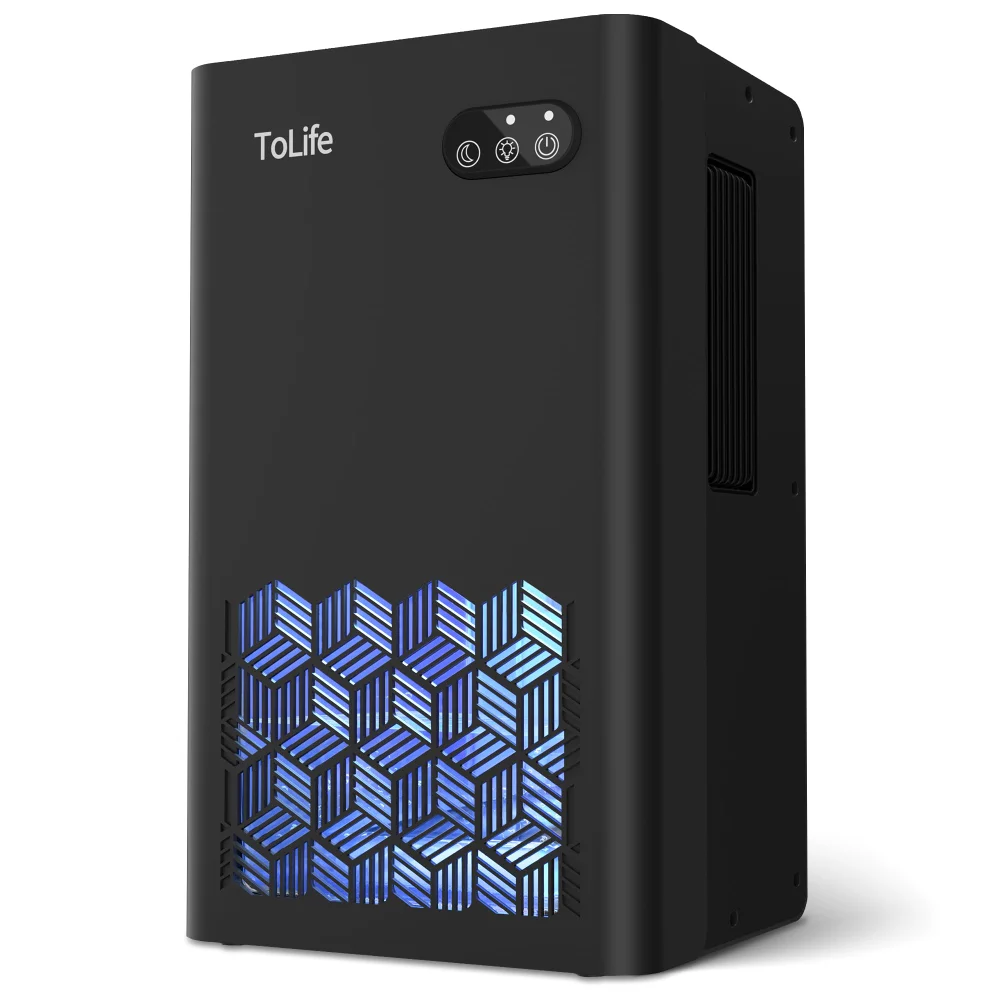
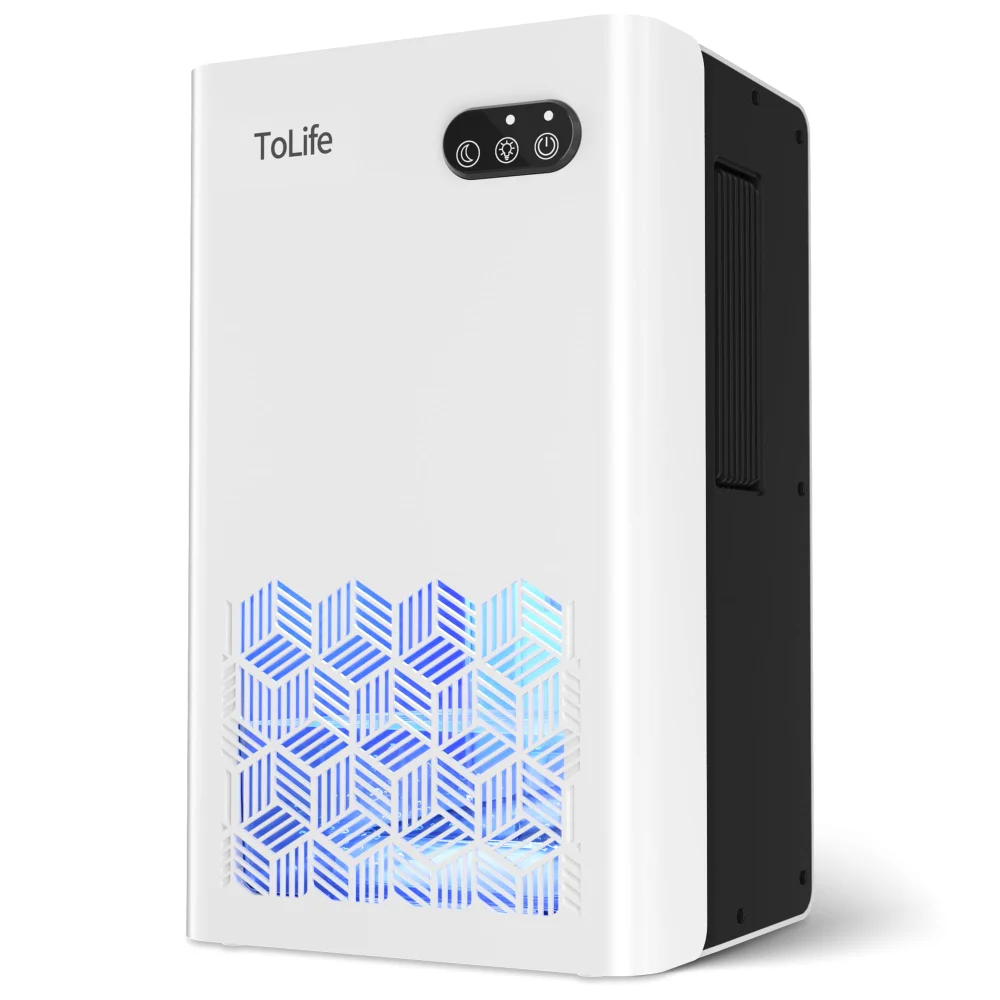
Damp does not announce itself; it settles. The TZ-C2 pulls it back out of the air with a semiconductor plate - the same physics as a cold glass on a July porch - into a 95-ounce tank you empty at the sink. Rooms up to 1,000 square feet, a powerful mode for the afternoon and a night mode that stays under thirty decibels, and an amber-to-blue glow you can read from the hallway. When the tank fills, the machine shuts itself off and waits. Four shells, one ToLife drawing underneath: pick the colour that disappears into your room.
4.1 · 6,735 ratings
4.1 · 6,735 ratings
4.1 · 6,735 ratings
4.1 · 6,735 ratings
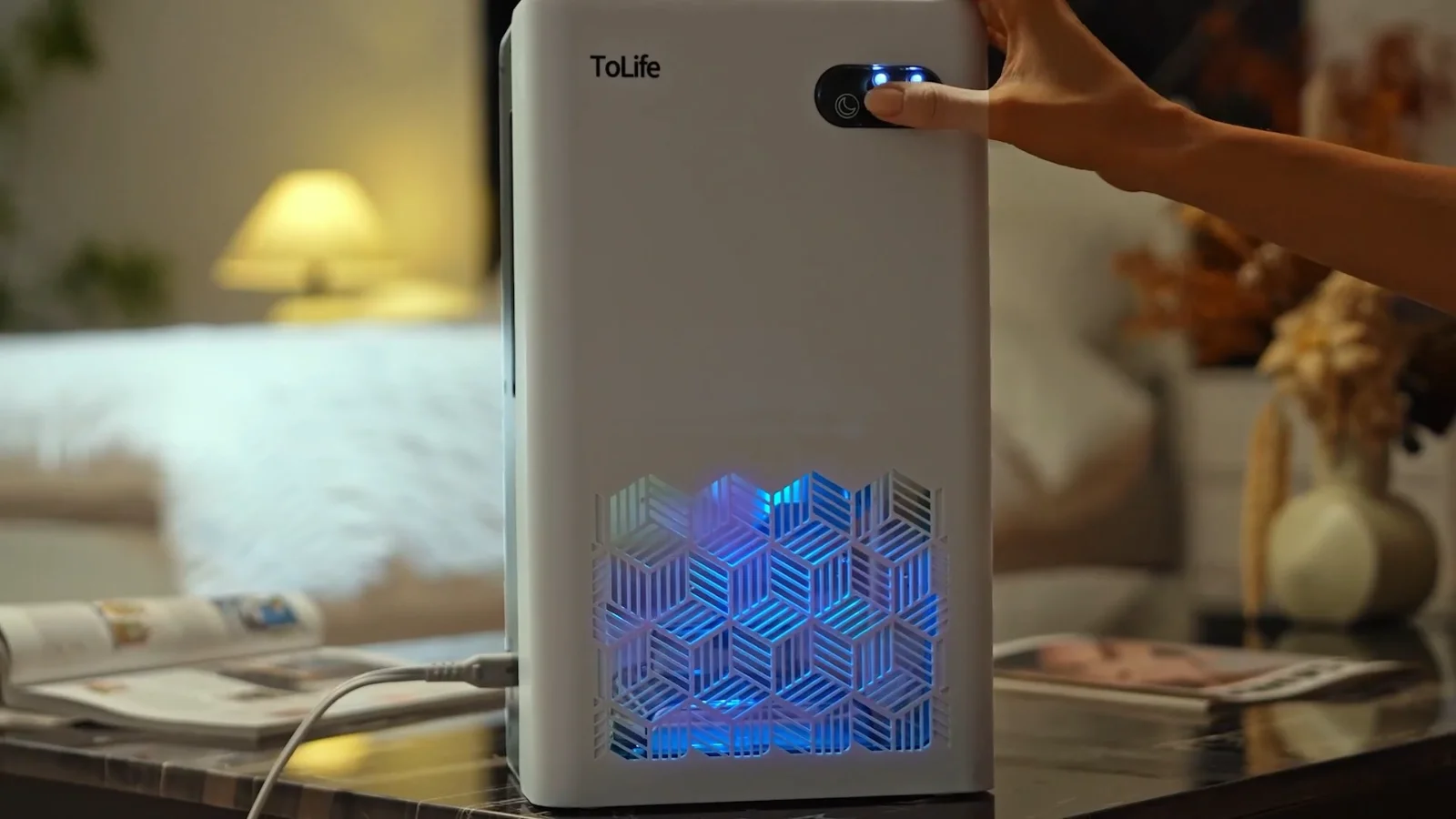
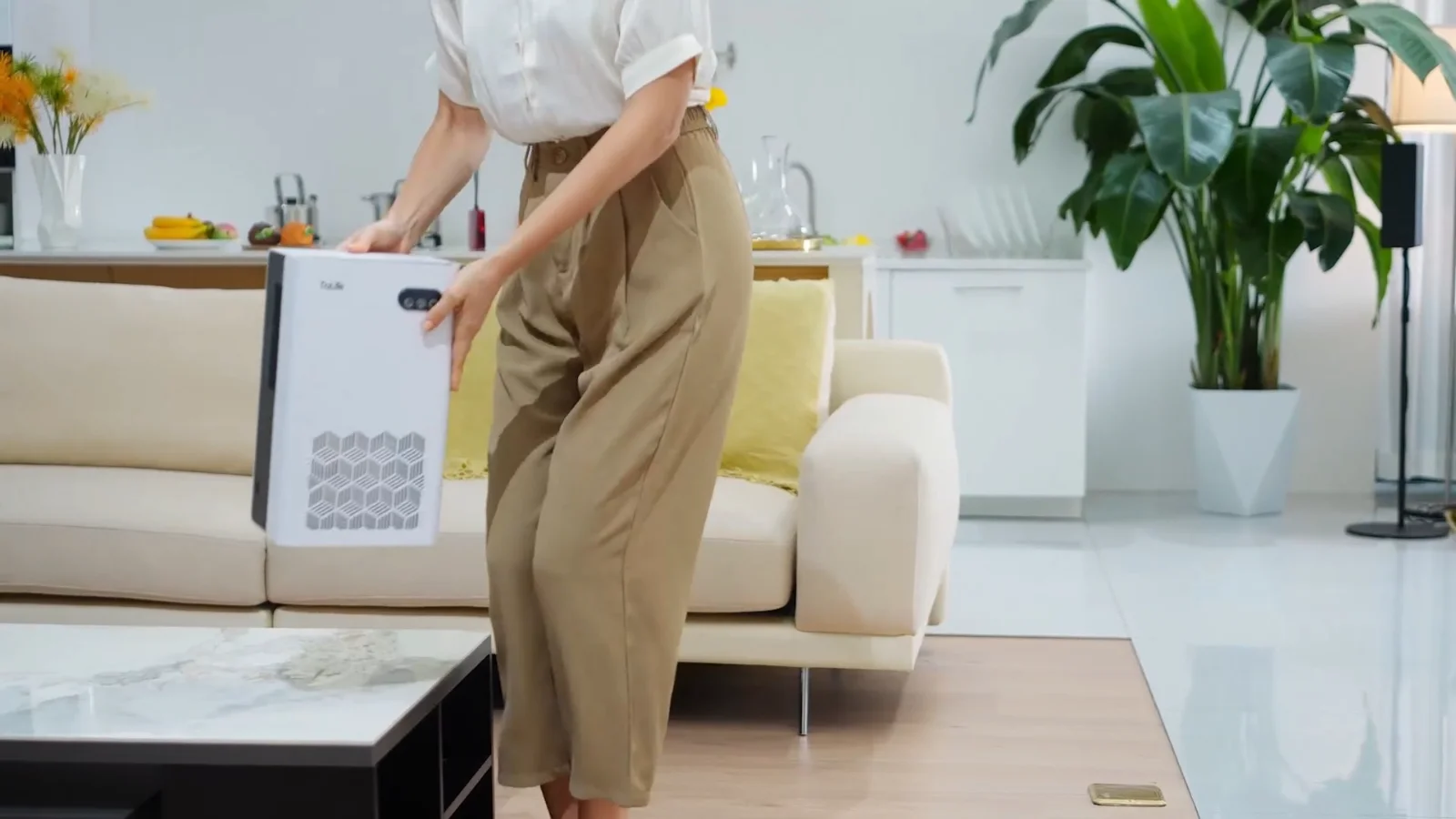
The brand film for the TZ-C2 line: the tank comes out with one hand, the panel glows through its seven colours, and the machine moves from bathroom counter to living-room floor without a cart. the ToLife lineup starts and ends with rooms, because rooms are the product.
Height 13.78 in · footprint 8.27 × 5.55 in · auto shut-off · 7-colour ambient light
In rooms · stills from our films
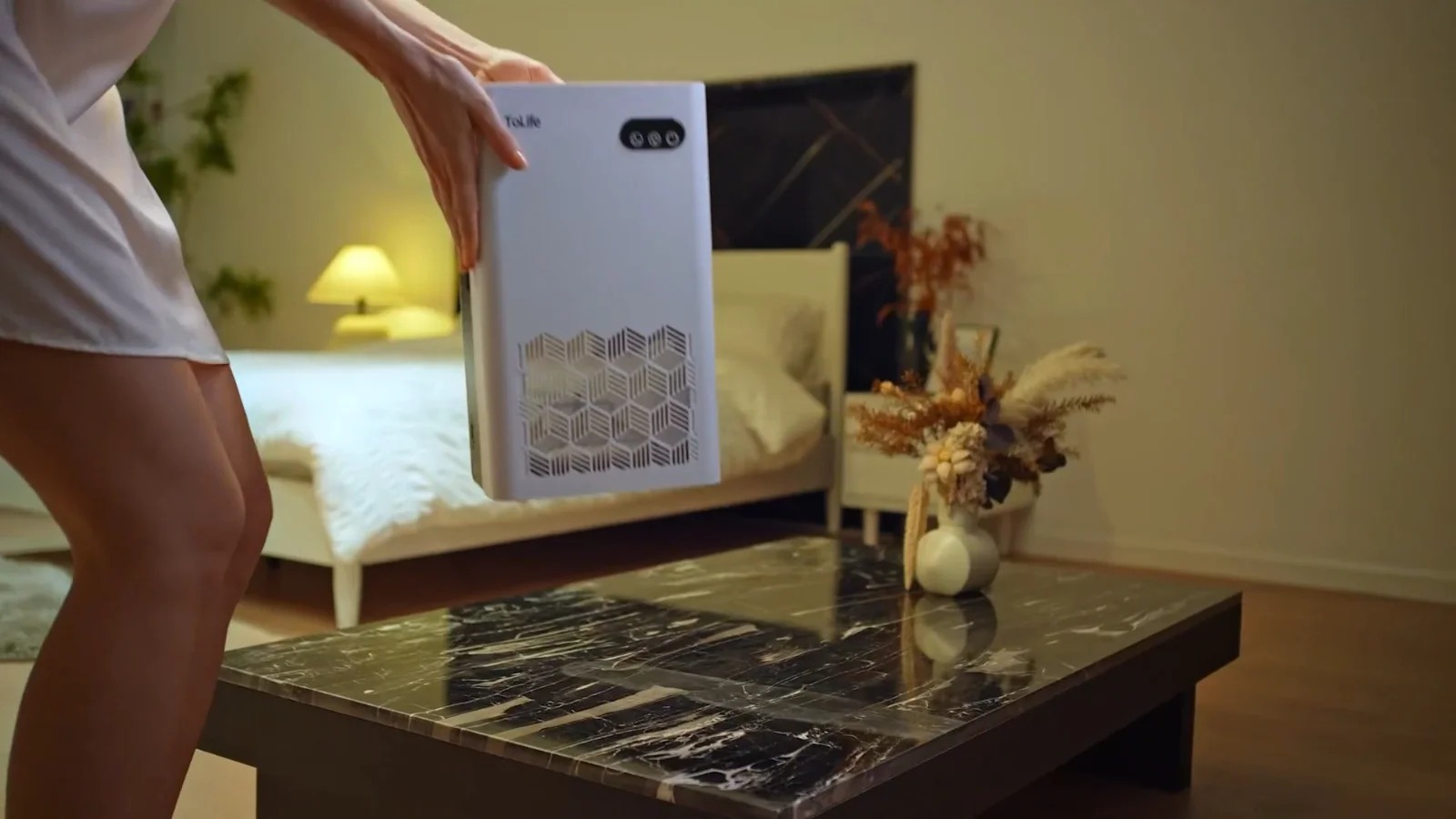
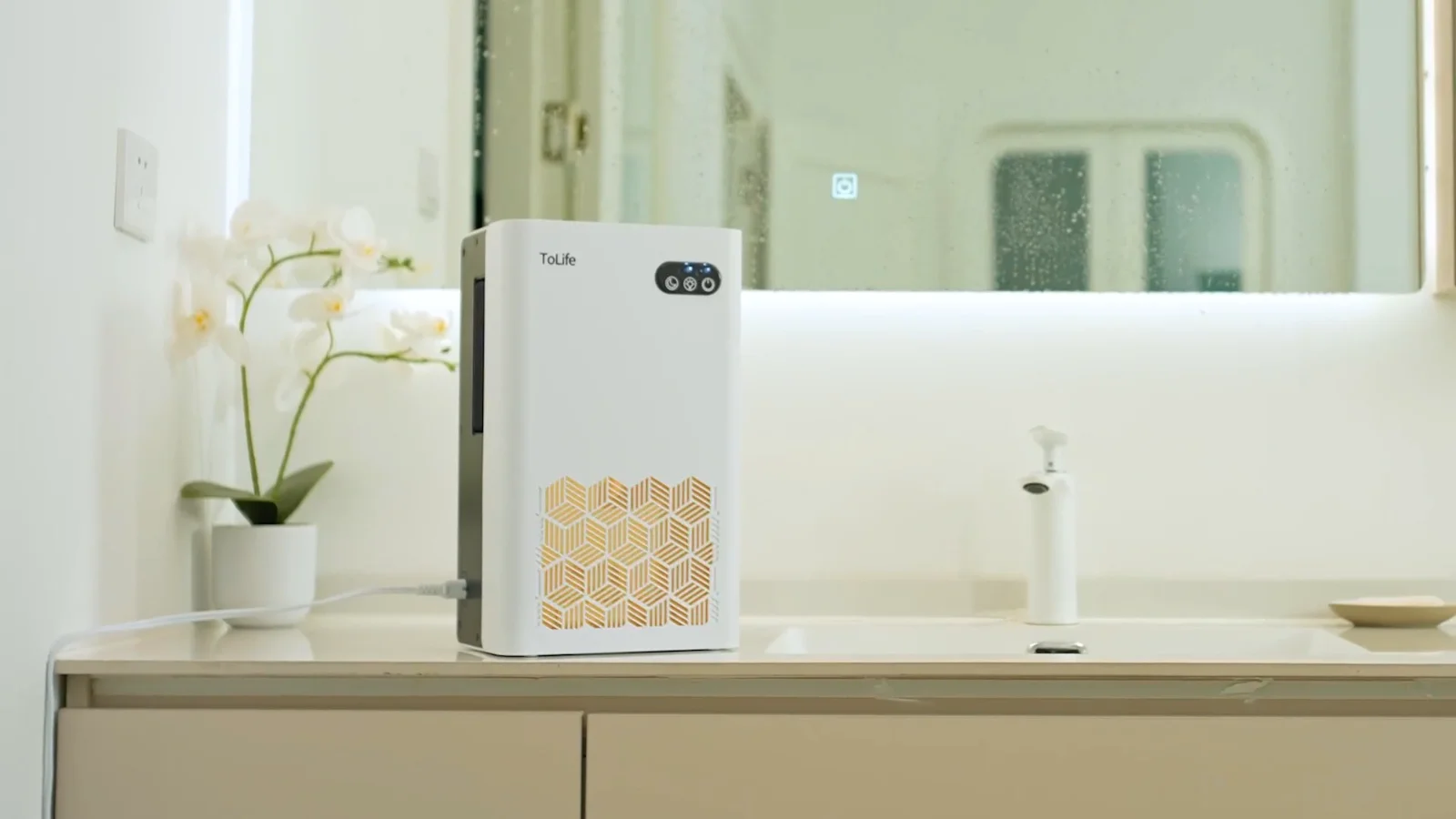
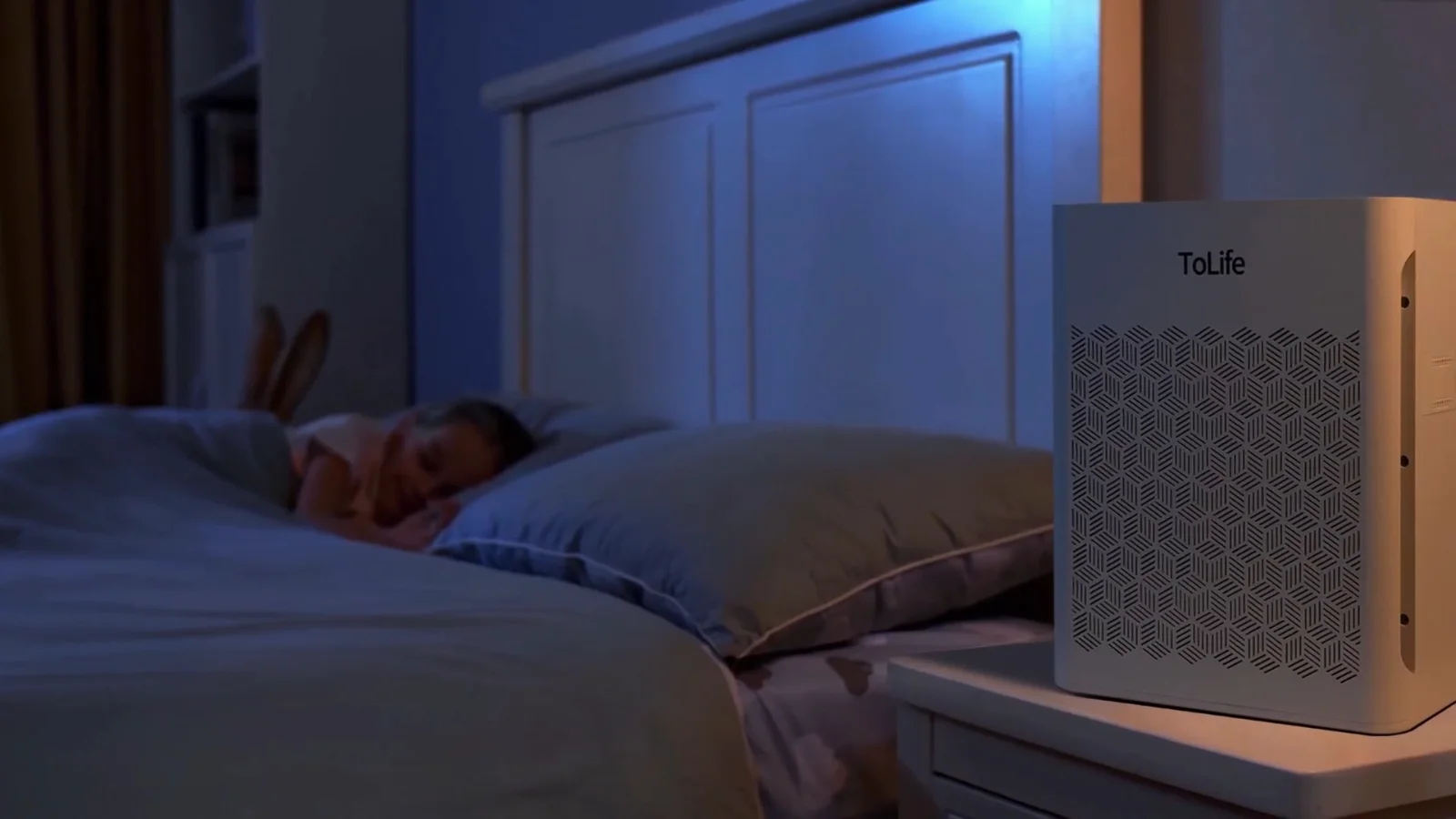
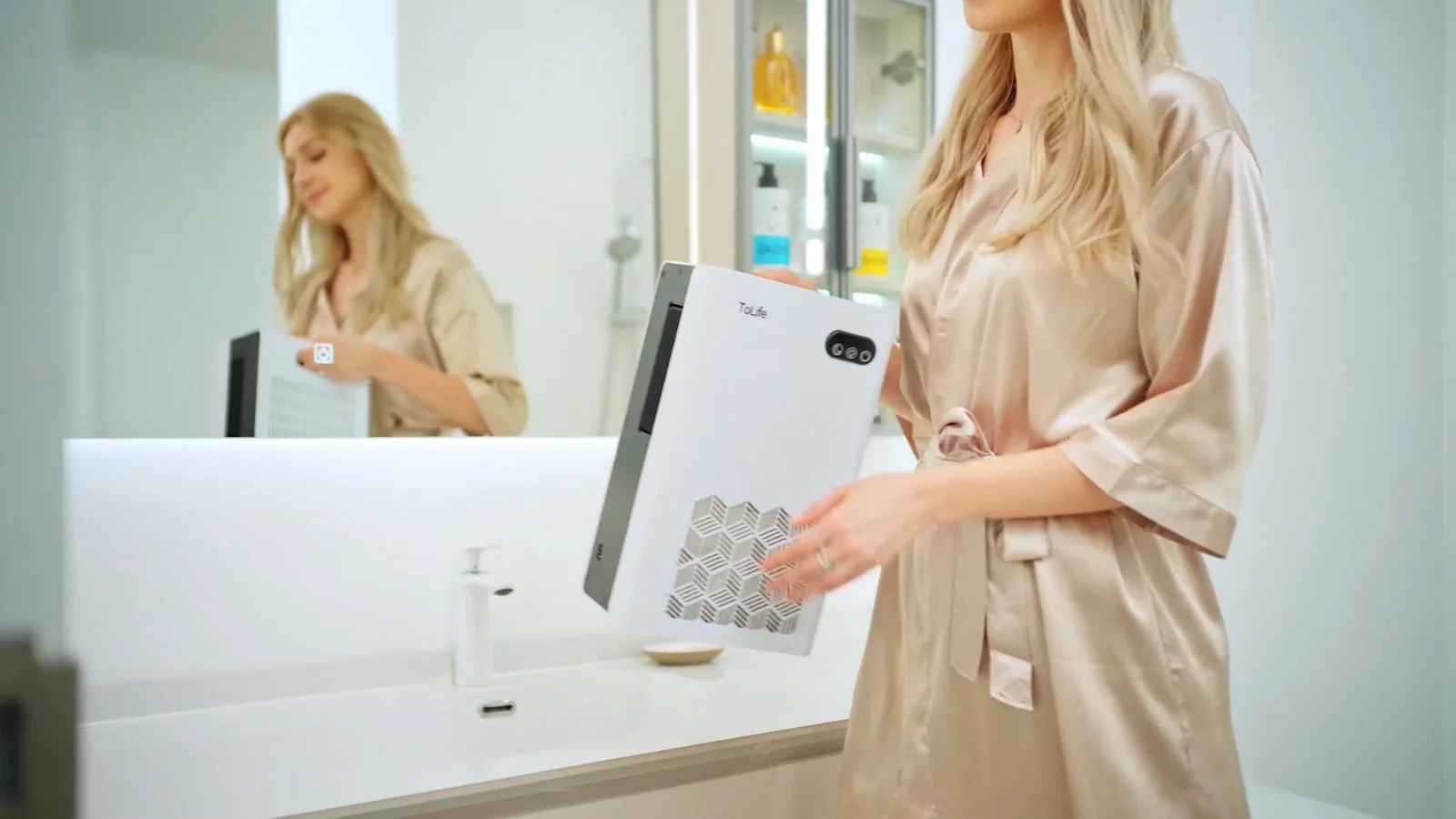
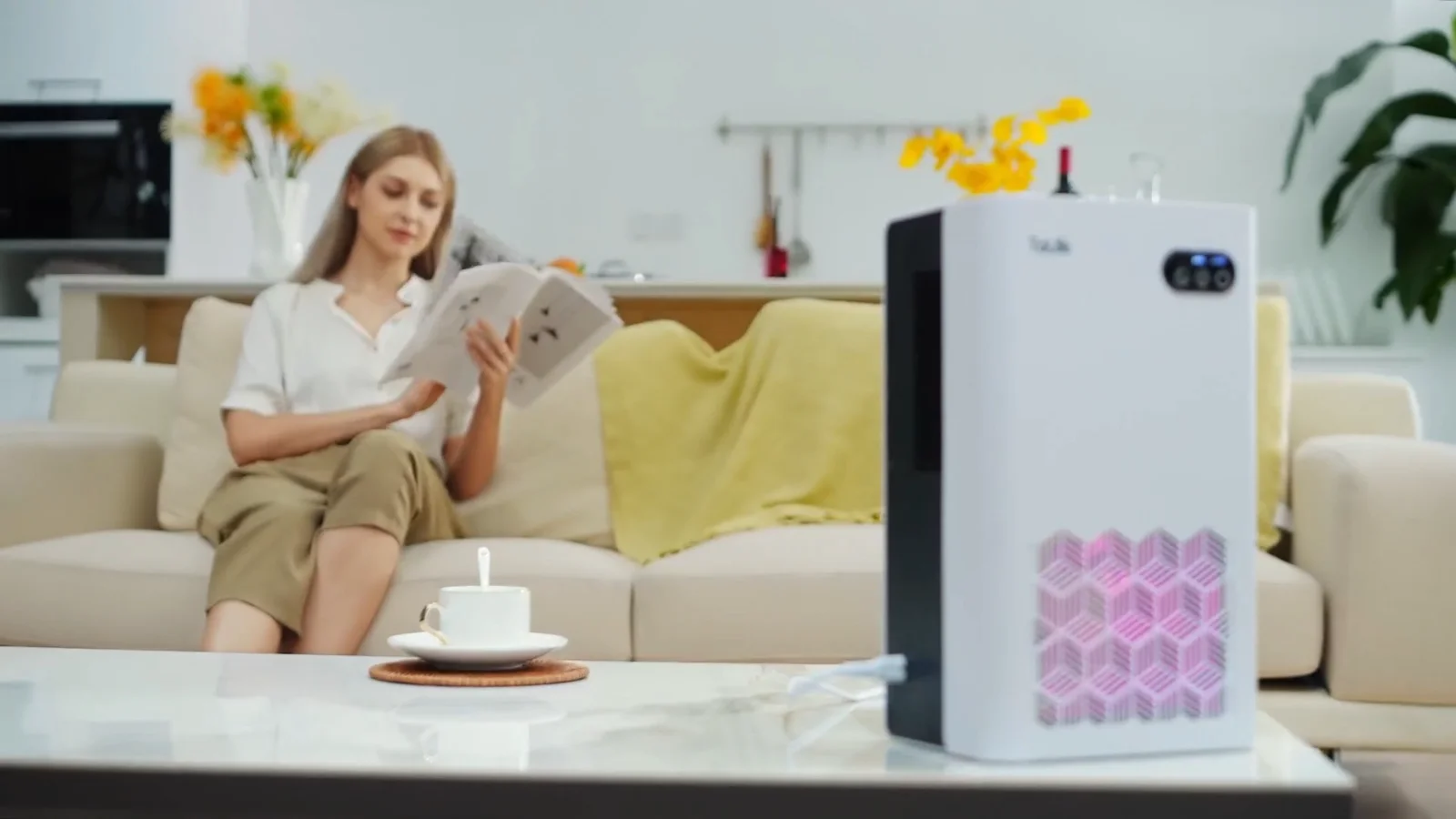
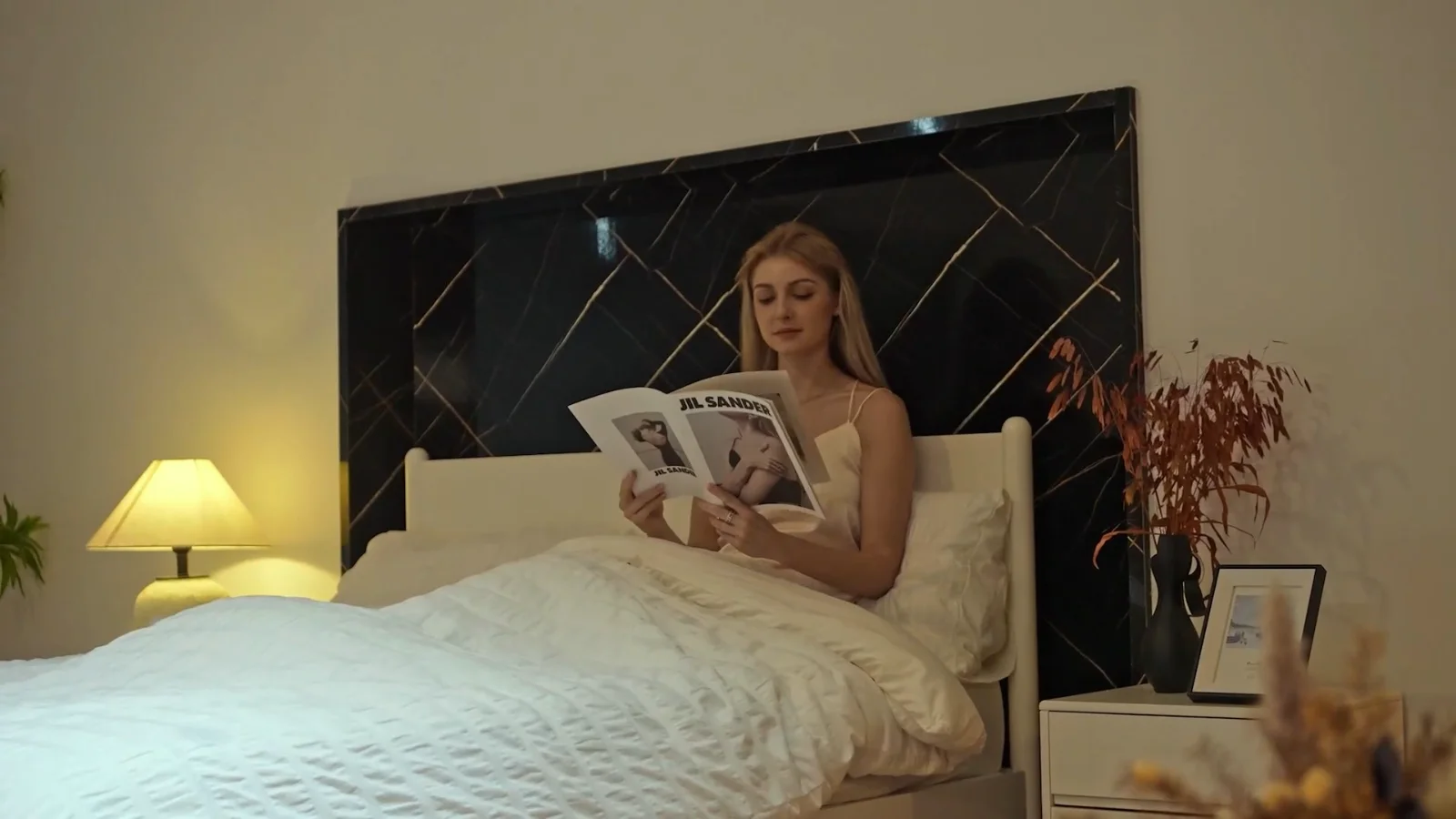
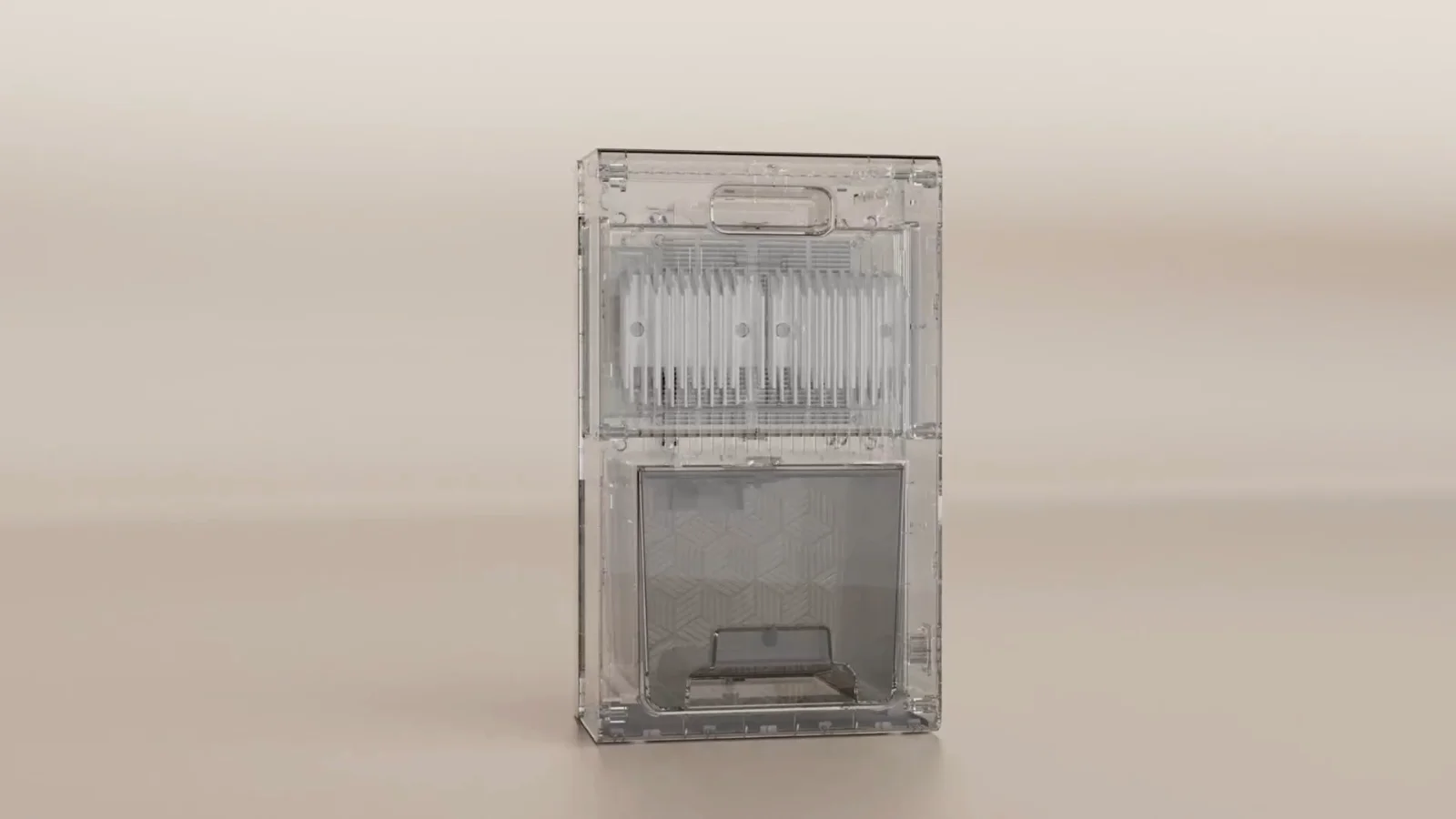
Frames from the ToLife films: bathrooms without vents, bedrooms after midnight, the tank on its way to the sink. If your rooms look like these, the machines will feel at home in yours.
Dehumidifiers · two more rooms
Two ToLife machines for the rooms the TZ-C2 does not match: a white shell with the same ambient-light panel for rooms where black boxes shout, and a compact nine-inch unit for the spaces a full-size tank would crowd - your wardrobe, a boat cabin, the cupboard under your stairs. Same idea at both sizes: condense the water, hold it, shut off when full.
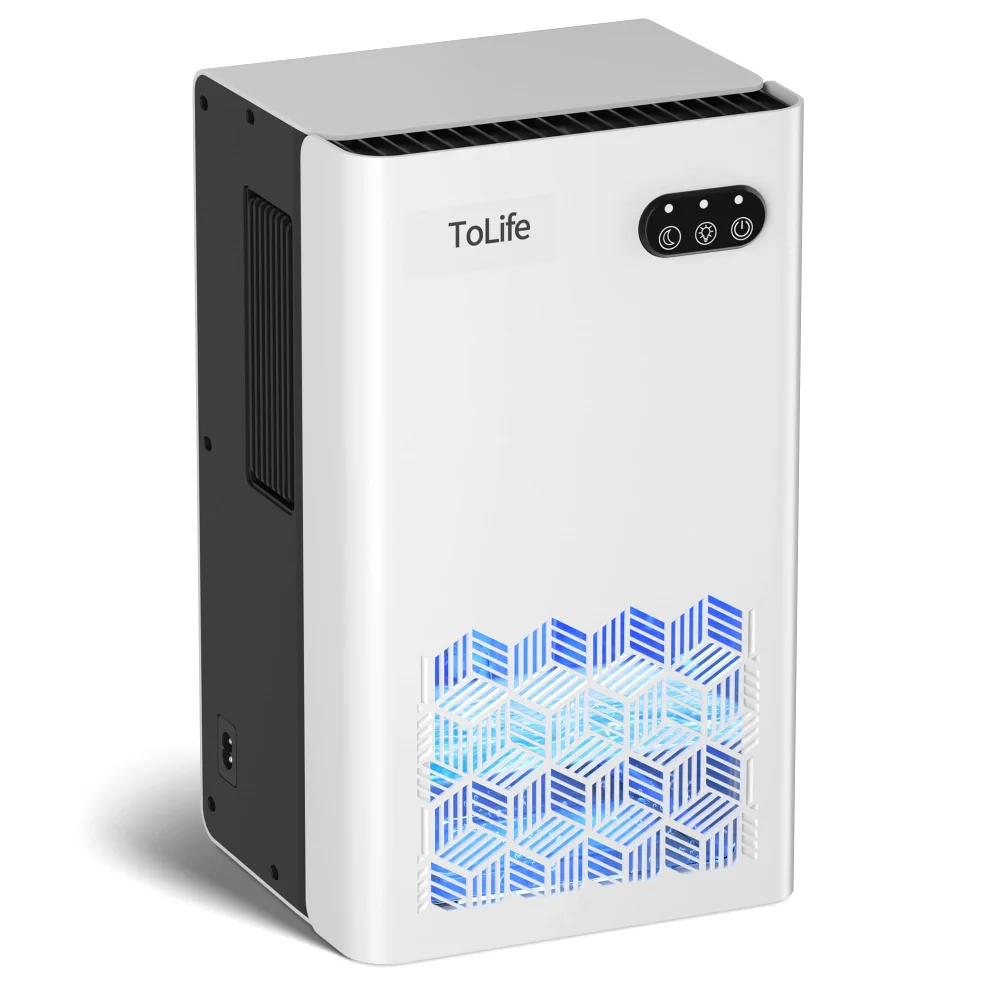
4.2 · 484 ratings
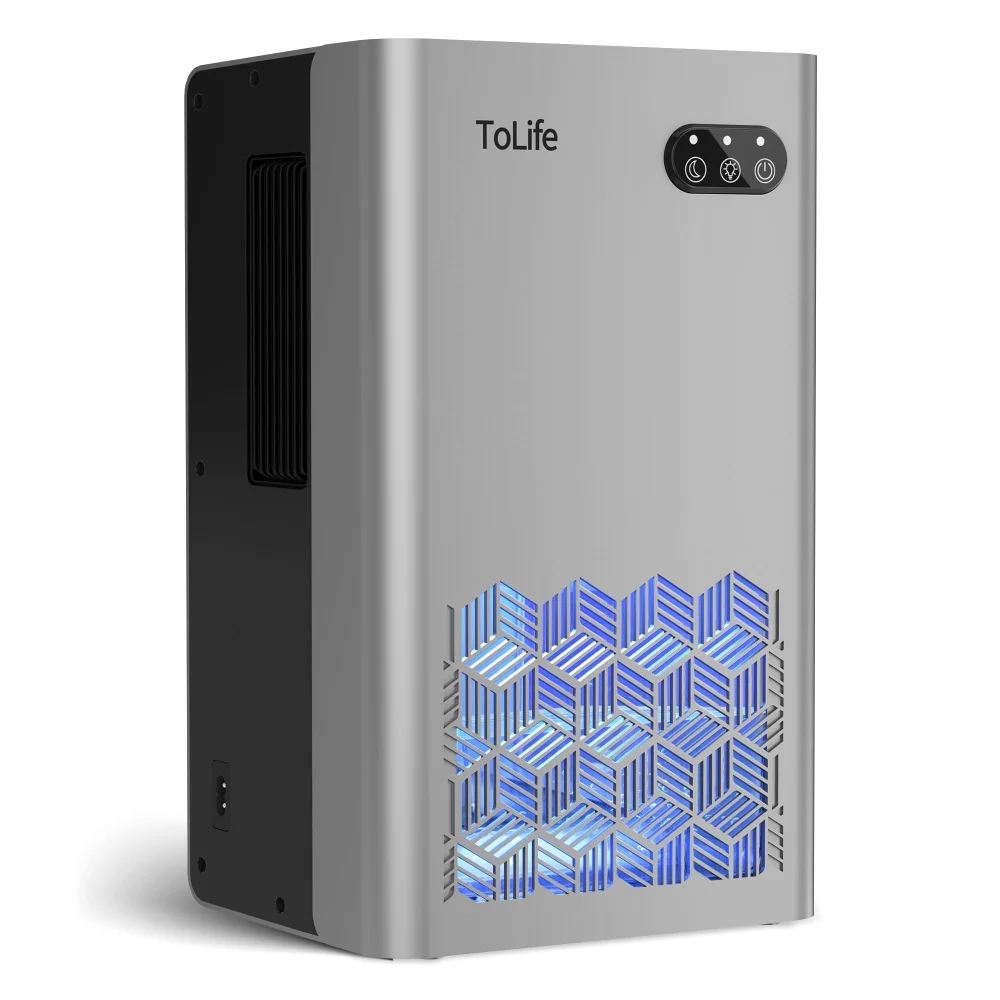
3.9 · 82 ratings
Proof · filmed, not promised
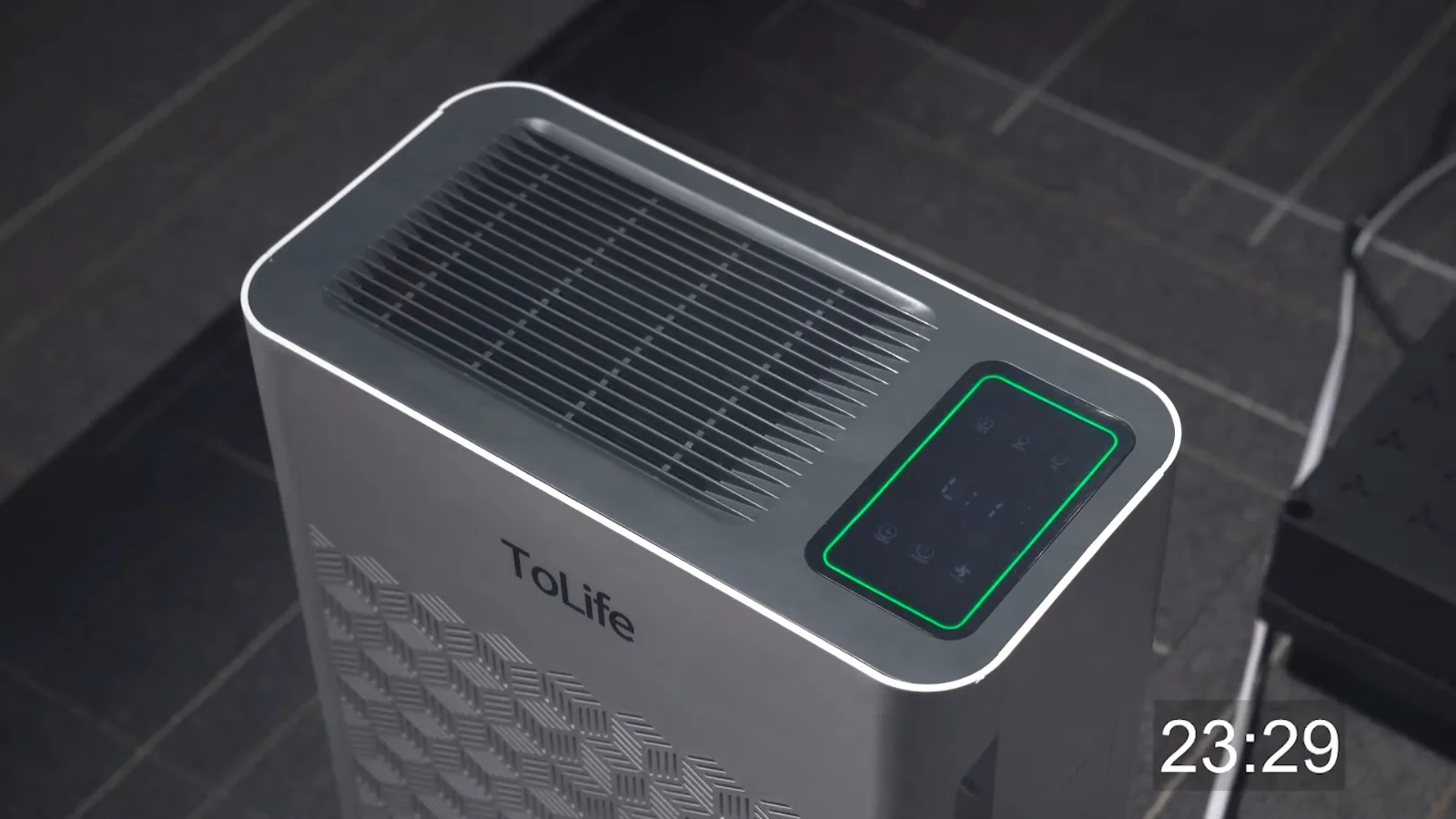
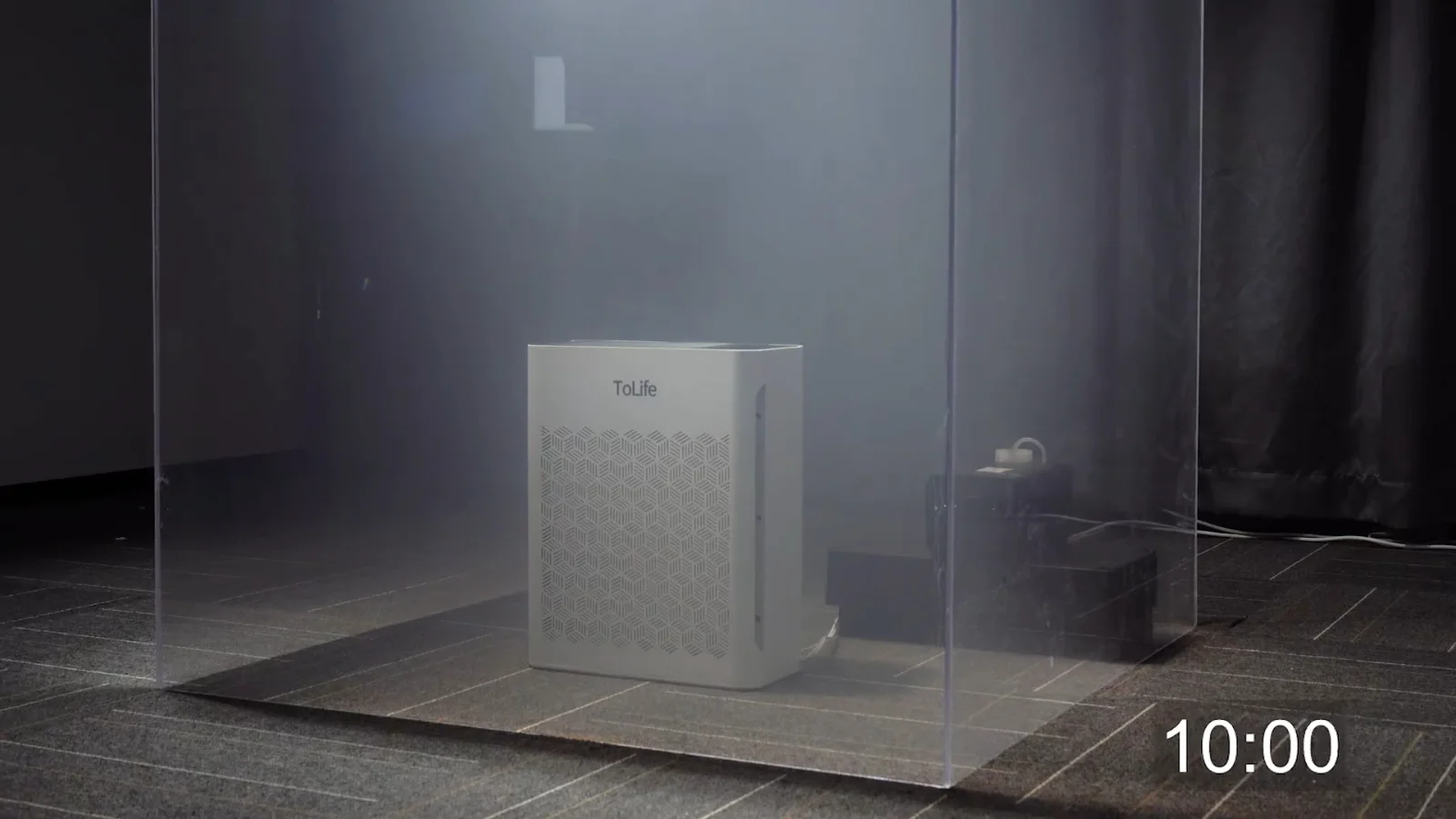
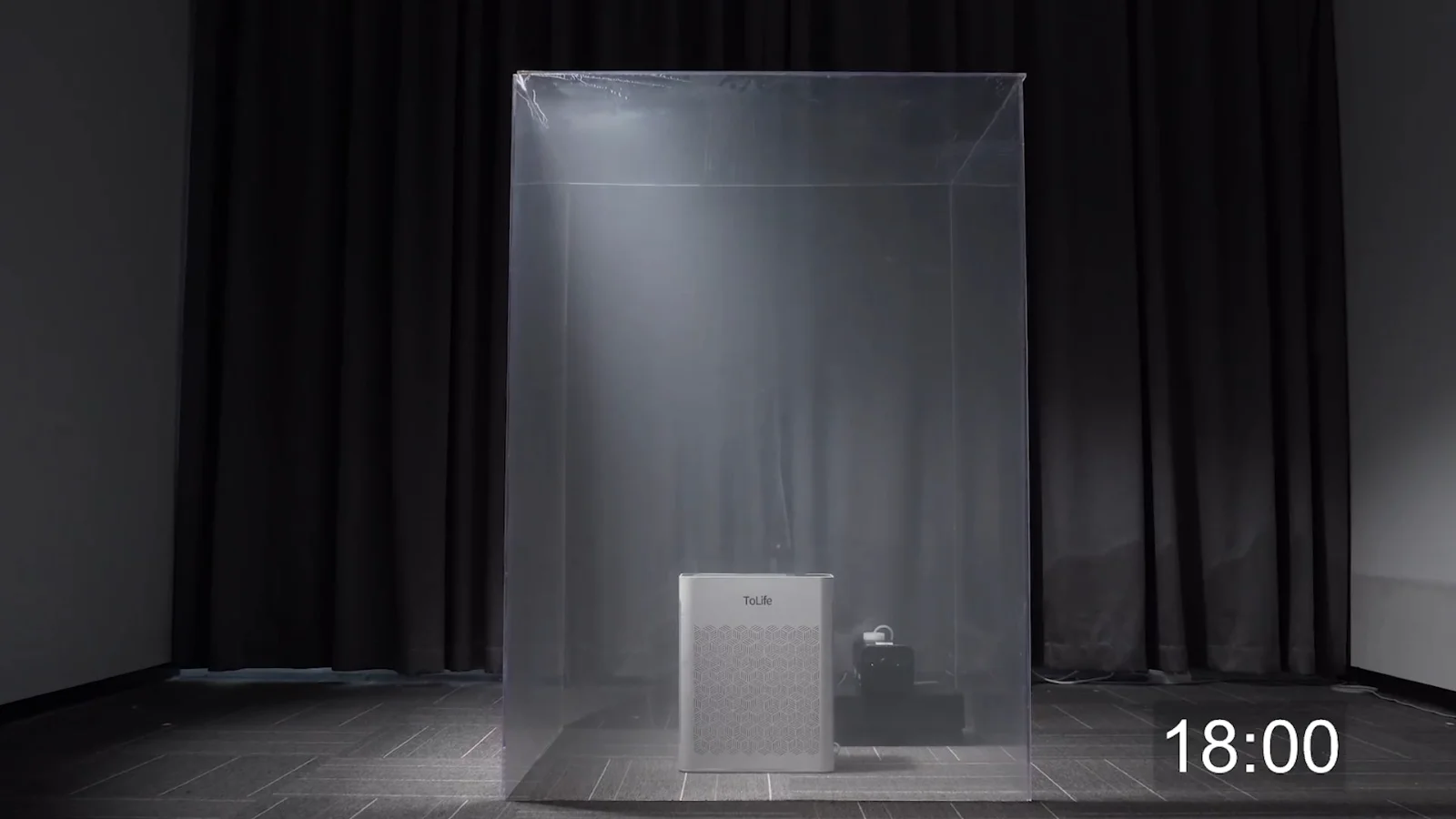
A sealed case, a chamber full of smoke, a running clock in the corner and a TZ-K2 inside: that is the whole test, on film. You can watch the timestamps for yourself - the haze thins by the ten-minute mark, and the walls of the case come back into view before the clock reaches twenty-four. Filming a test instead of describing it is a ToLife rule.
The TZ-K2 smoke chamber film, hosted here in full. The clock in the corner is part of the picture.
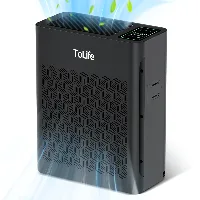
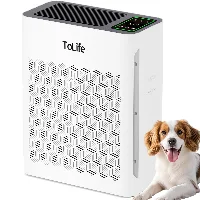
Air purifiers · the TZ-K2
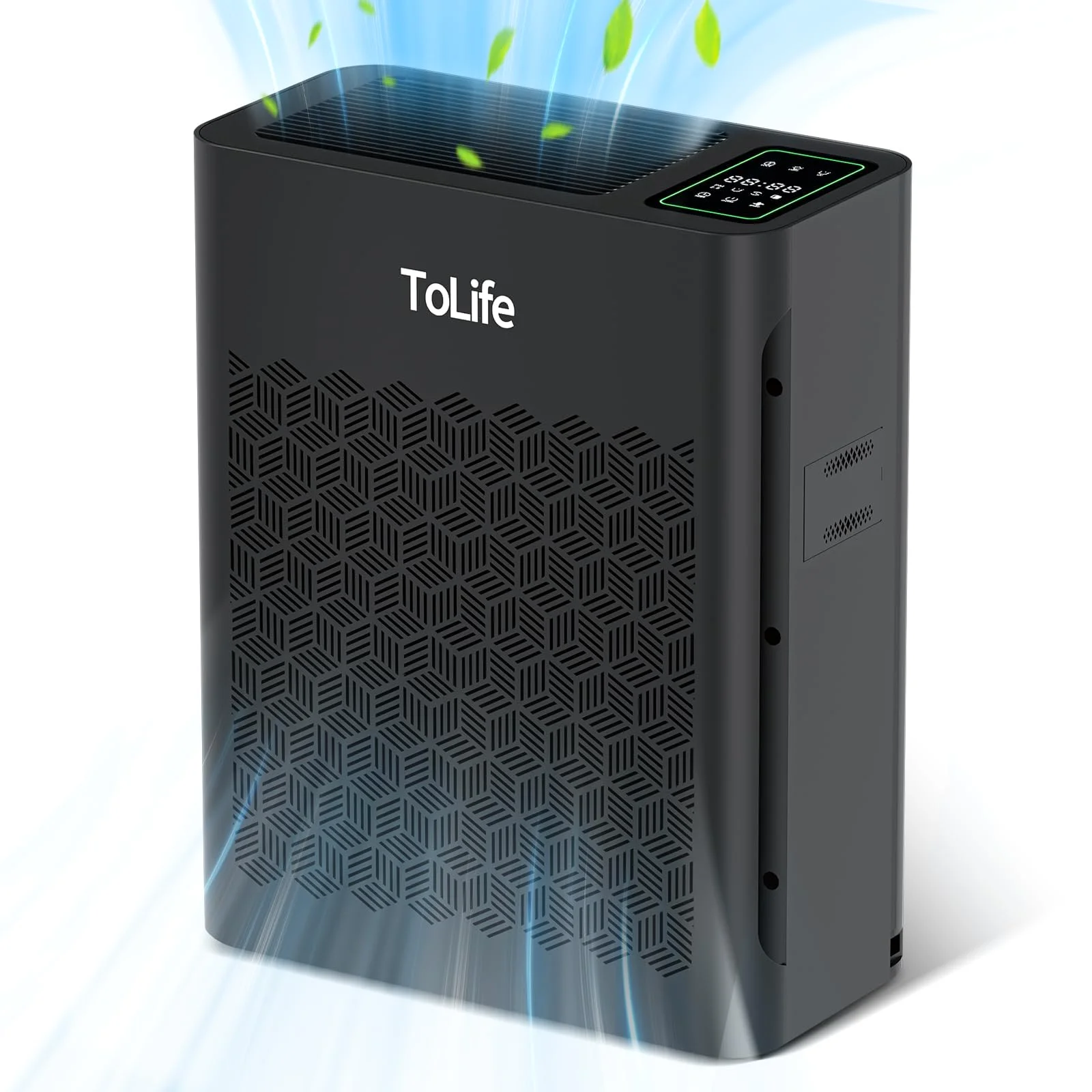
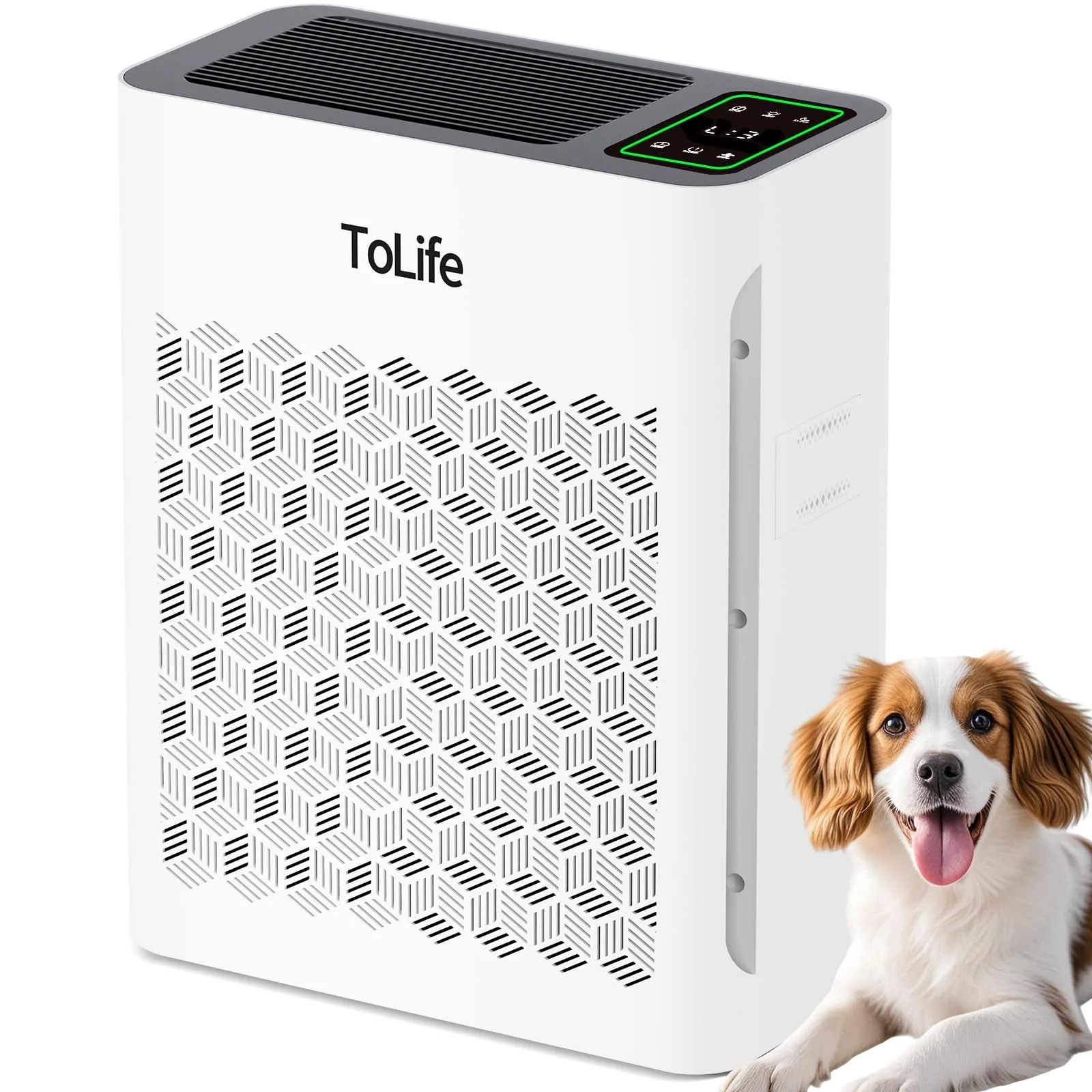
Both TZ-K2 shells run the same three-stage stack - washable pre-filter for hair and lint, H13 layer rated to catch 99.97 percent of particles at 0.3 microns, activated carbon for the smells. The black one reads the room for you: an indicator shifts green to yellow to red and the fan follows it. The white one goes the other way - indicator lights removed, for bedrooms where every LED is one LED too many. Timers at 2, 4, 6 and 8 hours on both, a child lock, and a light that tells you when the filter has earned retirement. Nothing else in the ToLife catalogue reads a room by itself.
The TZ-K2 film walks the filter stack layer by layer and ends in a dark bedroom, which is where most of these machines spend their lives. Every purifier in new from ToLife ships with a filter already in the frame.
12.99 × 6.5 × 16.34 in · child lock · filter-replacement light
4.5 · 6,663 ratings
4.5 · 6,663 ratings
Filters · TZ-K2-A
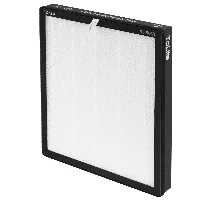
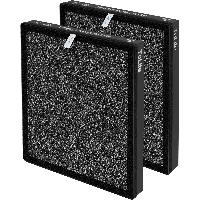
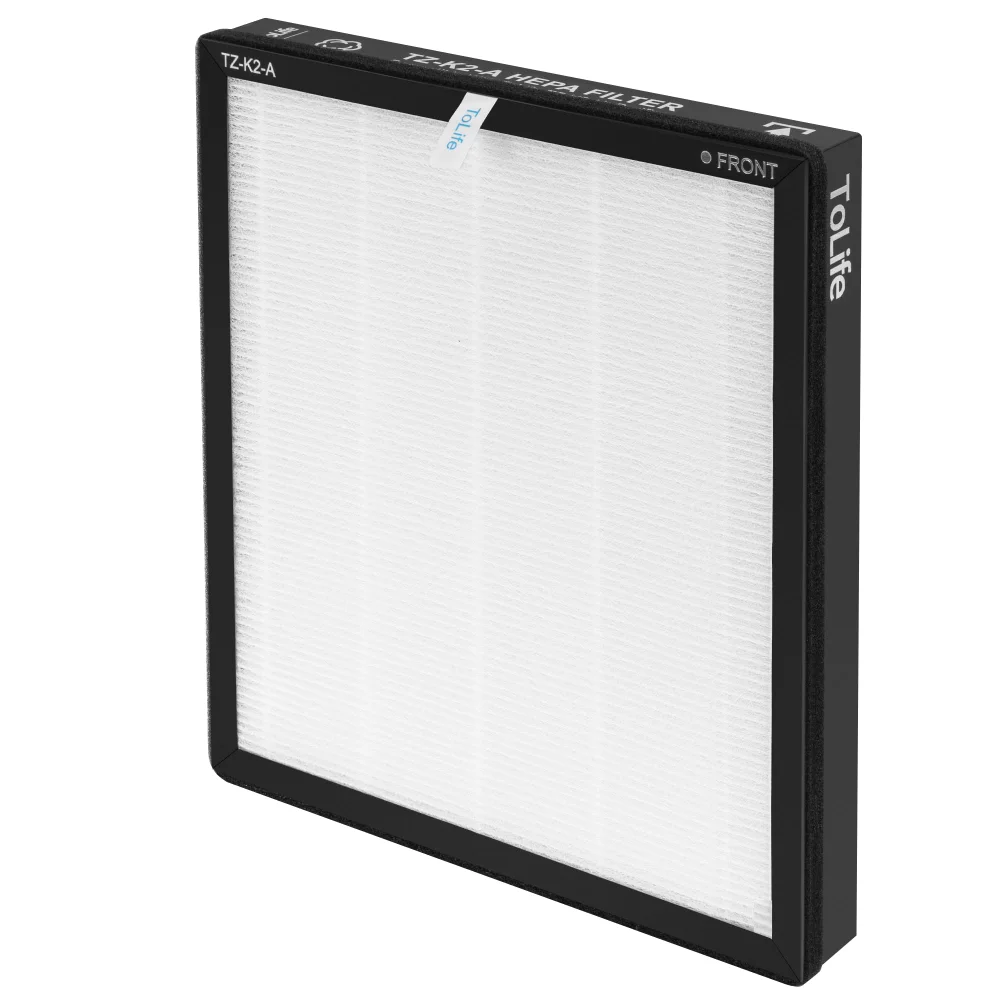
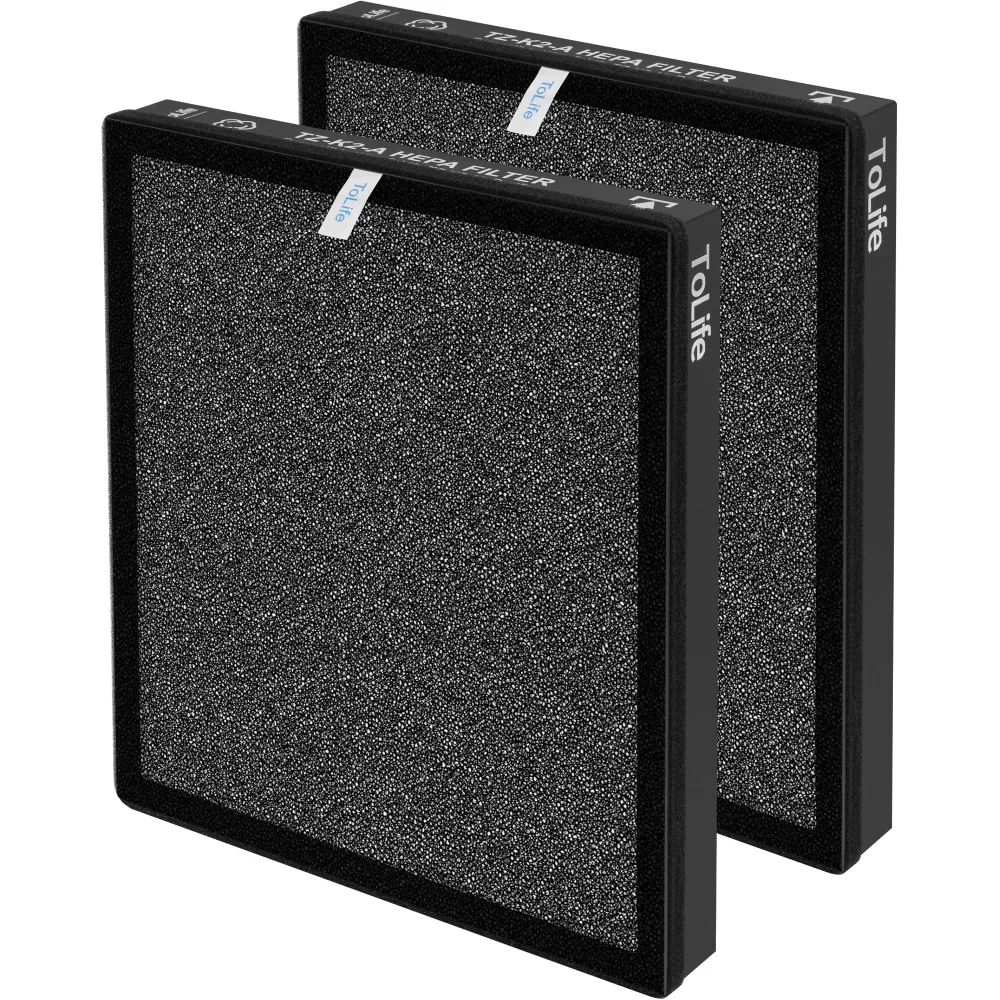
A purifier is a fan; the filter is the machine, and filters are the one consumable in the ToLife lineup. The TZ-K2-A cartridge carries all three stages in one frame and is rated for up to 6,000 hours - run it eight hours a night and that is close to two years of nights. One costs $19.99; the two-pack brings each to fifteen dollars, which is the arithmetic we would do in your place. When the TZ-K2’s indicator lights up, you swap the frame in under a minute: cover off, old out, new in.
4.8 · 287 ratings
4.8 · 287 ratings
Where we stand
A thermoelectric machine is not the answer to every wet room, and a catalogue that says otherwise is selling you something. Here is where the ToLife way wins - your bedroom, your bathroom, an office, anywhere quiet matters - and where it does not: a flooded basement wants a compressor, and we would rather tell you that here than in your review.
| ToLife thermoelectric | Compressor units | Desiccant boxes | |
|---|---|---|---|
| What moves the water | A semiconductor plate condenses it into a 95 oz tank | A refrigerant pump and coils | Absorbent crystals in a tray |
| Sound at night | Under 30 dB in night mode - a library whisper | The hum of a small fridge, through the wall | Silent |
| Weight on the stairs | Under six pounds | A two-hand, mind-your-back carry | Ounces |
| Emptying | Tank to the sink; auto shut-off when full | Tank or a drain hose | The whole box goes in the bin |
| Running cost | Plugs into the wall; no consumables | Plugs into the wall; no consumables | A new box every few weeks, forever |
| Where it wins | Rooms you sleep, work and bathe in | Flooded basements and whole floors | A drawer, a safe, a parked car |
The dividing line is your room. Up to about a thousand square feet of lived-in space, a plate that takes up to a liter a day out of the air holds the line; standing water or a flooded floor is compressor work, and you rent that machine for a week rather than live beside its hum for years.
Quality · what the machines are made of
Both lines wear matte ABS - the plastic of car dashboards - which takes fingerprints without keeping them and does not yellow beside a window.
The TZ-C2 tank is translucent: you see the water line without opening anything, and the machine sees it too - full tank, power off, no overflow on the shelf.
Nylon pre-filter for the big stuff - hair, lint, fur. An H13 layer for the fine stuff, rated at 0.3 microns. Activated carbon for what you smell rather than see. You rinse the pre-filter under a tap and it goes back in.
The dehumidifier line moves heat with a semiconductor plate instead of a pump. Fewer moving parts is the whole argument: one fan is the only thing that spins.
Standards · what the ratings mean
Every number ToLife prints traces to a public definition. The three documents we lean on are linked below with the dates we read them, and you can hold every claim on this page against them.
The HEPA class is defined by the US Department of Energy, and the EPA’s plain-language page puts it at a theoretical 99.97 percent of airborne particles at 0.3 microns - the size that slips through filters most easily.
The EPA’s mold guidance says to hold indoor air below 60 percent relative humidity, ideally between 30 and 50, and names dehumidifiers as one of the tools for the job.
The same agency is clear that a portable machine filters air alongside ventilation and source control, not instead of them. No number on this page promises more than the document behind it.
Each document above was read in full on August 27, 2026. The catalogue’s own update dates live on our updates page.
The workshop question
Since 2022 · 4 years of air machines, nothing else
We started in 2022 with a narrow brief: build quiet machines that keep the air in homes, and nothing else. We draw every housing and circuit, test each prototype on the bench, then send the final drawings to partner factories. Our retail partner handles the checkout, the boxes and the returns. We stay in the room with the machines.
Testing happens in a small chamber with a running clock and a camera. We film the smoke clearing. We sleep beside prototypes to hear the click of a relay or the hum of a fan. One night we argued about a button placement until someone pointed out that a person half awake cannot hunt for small switches. We moved it, and slept beside the unit again to be sure.
Your reviews arrive as field reports: the tank carried to the sink, the LED that woke someone at two in the morning. We removed the indicator lights from the white TZ-K2 because of exactly such notes. The arithmetic of your rooms shapes every revision.
The bench is never empty, and the last sound before the workshop lights go out is usually a relay clicking somewhere inside a prototype shell. The air in your bedroom is the reason.
The brand, plainly
We began in 2022 with a narrow question. How do you remove damp from a closet that has no drain, and how do you pull particulates from a bedroom without adding noise. We did not set out to build an empire of appliances. We set out to solve these two problems with machines that sit quietly on a shelf or the floor and do one thing well. The catalogue has stayed small since then. A small catalogue is a discipline. Every item in it had to survive an argument about whether it deserved the space. We cannot hide behind variety. If the TZ-C2 fails to pull moisture, we have failed. There is no alternative product to offer. This narrowness keeps the team honest. We measure sleep in hours and noise in decibels. We know that a machine running at thirty decibels is audible to someone who needs silence. We know that damp is patient and will wait for any mistake in the condensation plate.
We design the machines and test them here. Partner factories build to our drawings. The checkout, delivery, and returns run with our retail partner. The factory floor belongs to partners; the drawings, and the responsibility for the arithmetic of condensation and filtration, stay with us. That is the practical arrangement. The human arrangement involves evenings with prototypes running in the corner of the room while we listen for the click of a relay or the hum of a fan. We argue about the travel of a button and the texture of a surface, and the argument usually ends with somebody sleeping next to the prototype. This is how we work.
We label our products the way an engineer labels a circuit diagram. TZ-C2 denotes the thermoelectric dehumidifier. TZ-K2 marks the H13 air purifier. The TZ-K2-A is not a new machine. It is the replacement filter, and the suffix ties it directly to the parent unit so that no one orders a part that does not fit. The codes are dry and functional. They contain no adjectives about mountain freshness or alpine purity. We find that clarity reduces error. When you need a new filter after six thousand hours, you look for the code that matches your machine. The system is small enough to fit on a single index card, which is the point. We assume you are checking the model number on the back of your unit late at night when the room is quiet. We keep the dehumidifier shelf and the purifier line distinct but similarly labeled. There is no marketing language in the model name. There is only the drawing number, brought forward into the catalogue to keep the parts straight.
The TZ-K2 air purifier ships in two temperaments. The black unit keeps its air-quality indicator, a light strip that shifts from green to yellow to red as the room reports its state. The white unit ships with those lights removed entirely. We made this split after an argument that lasted three evenings. Some people need the room to stay pitch dark. A single LED can map the ceiling at three in the morning and interrupt the fragile architecture of sleep. Others want to glance across the room and see the air quality without touching the machine or opening an app. They welcome the soft glow as a report. Inside, the three-stage H13 stack is identical; the difference is the presence or absence of that indicator panel. We did not force a compromise that pleased no one. We built both temperaments and let you choose which kind of sleeper you are.
We do not ask you to trust adjectives about filtration efficiency. We film the smoke test instead. We fill a clear chamber with visible haze, start a clock, and run the TZ-K2. You watch the particulate thin against the backlight. There is no voiceover claiming superiority or breakthrough technology. There is only the running timer and the visible physics of air moving through the nylon pre-filter and the H13 layer and the activated carbon. This is how we verify the stack. The camera records what a specification sheet cannot. You see the rate of clearance and decide if it matches the cubic footage of your room. We run this test on every revision of the machine to ensure the seals hold and the airflow matches the drawing. The footage is the proof. We prefer it to adjectives.
Here is what we make: two dehumidifier bodies, one purifier in two shells, and the filter that keeps the purifier honest.
| Line | What it does | From |
|---|---|---|
| TZ-C2 dehumidifiers, four colours | Pulls damp into a 95 oz tank | $59.96 |
| Two more dehumidifiers | A white full-size and a shelf-sized silver | $59.96 |
| TZ-K2 air purifiers, black and white | H13 three-stage filtration | $69.98 |
| TZ-K2-A filters | One and two-pack | $19.99 |
That is the complete inventory. If your room needs something this card does not carry, we would rather point you to the right tool than stretch a machine past its rating.
Capacity is a decision about how often you want to empty a tank. We settled on ninety-five ounces for the full-size dehumidifiers after testing how much water a closet or small bedroom produces in a humid week. The figure is not arbitrary. It represents a balance between the physical size of the unit and the interval between emptying. A larger tank would make the machine too tall for most shelves. A smaller tank would demand attention twice a day. We wrote about the math and the humidity tables in the 95-ounce question. The tank fills, the machine notices, and it shuts off until you carry the water to the sink. We wanted that rhythm to match a weekly routine rather than an hourly interruption. The 95 ounces buys you two to three days in a damp room, which is enough to sleep through the night without checking the reservoir.
We print owner reviews and tape them in rows above the workbench. We read them as field reports from basements and nurseries and laundry closets. The count of published ratings sits at 14,251. We do not treat this number as a trophy or a seal of approval. It is a ledger of what held up and what cracked under use. When a pattern appears, three mentions of the same rattle or confusion about a button sequence, we revise the drawing. The next batch rolls out slightly different. A quieter relay here, a sharper detent there. This is the conversation we maintain with the people who use the machines. It happens after the checkout, after the delivery, and it keeps us honest in a way that internal testing cannot. The wall reminds us that the machine lives in a real room, not a laboratory.
Owners · in their own words
These are real owner reviews of ToLife machines, shown as they came - the stars and the names included. 14,251 published ratings stand behind the range; nine are worth reading whole.
“It’s compact, easy to use, and does an excellent job of reducing excess moisture in the air. I especially like the sleep mode because it operates quietly at night without being disruptive. The 95 oz water tank is a convenient size, and the auto shutoff gives me peace of mind when the tank gets full.”
Tomas Merced · August 17, 2026
“From the first day, I noticed a significant improvement in the air quality and humidity level in my room. The air feels fresher, more comfortable, and much less damp, especially during humid or rainy days. The large 95 oz water tank is a great feature because it doesn’t need to be emptied frequently.”
Perry gagliano · August 20, 2026
“I’ve been using the ToLife Dehumidifier for more than a week now, and I’m really happy with its performance. It’s compact and easy to move around. The 95 oz tank is a good size, and I don’t have to empty it too often.”
Belina · August 23, 2026
“I have an old house with no vent in bathroom I run it 24/7 and it fills up with in a week especially when it’s humid outside. It shuts off automatically and then I just empty tank and restart it. I have had this dehumidifier for about 2 years and it’s still going strong.”
christine morales · August 11, 2026
“This works great, picks up so much moisture out of the air in my basement, have to empty it frequently which lets me know I have to do some major work to remedy a solution...in the interim I’m happy to have this device.”
Mujer · August 12, 2026
“It’s very easy to use you just turn it on and it turns itself off when it is full. Easy to empty you just pull the tank out and dump out the water that is collected and then slide it back in.”
Taylor · August 23, 2026
“I bought this for my RV that is seemingly always dusty. This had helped tremendously with filtering the air. Its well built, quiet operation even on high power. Sleep mode makes it nearly impossible to hear, overall great value.”
mike · May 9, 2026
“This is a great size for the bedroom side table and I really like the settings on it. It has a nighttime setting that’s really quiet and yet still exchanging the air has a timer a few other settings.”
Traveller · December 18, 2023
“My home is 30 years old and constantly dusty. The purifier and this filter have improved the air quality and there seems to be less dust settling. The dirt and dust stop there.”
justjenn · October 18, 2024
Journal · the arithmetic
Sizing a machine is arithmetic, not faith: how fast a family fills a 95-ounce tank, what 0.3 microns actually measures, and why the night feels louder than the decibel chart says. The journal works each one out to the last figure, the ToLife way. You can read them before you order, or after: the figures hold either way.
Where the water in your air actually comes from, how to read a tank volume in days rather than ounces, and which rooms a thermoelectric machine honestly suits.
Read the articleA patient tour of the TZ-K2 filter stack: what each of the three layers takes out of the air, what none of them can do, and the arithmetic of 6,000 rated hours.
Read the articleA machine you switch off at bedtime does not work nights. How to read decibels, what sleep mode changes, and why light belongs in the same budget as sound.
Read the article